ALITY HEALTHCARE • PHARMACEUTICAL KNOWLEDGE
Tablet
vs
Capsule.
Tablets and capsules are two of the most commonly used
oral dosage forms. Although both are designed to deliver
medicines, their structure, formulation and administration
can differ significantly.
T vs C
TABLET • CAPSULE
TABLET
Compressed Dosage Form
CAPSULE
Encapsulated Dosage Form
Tablet Or
Capsule?
When it comes to medication, the dosage form plays
an important role in how a medicine is administered,
released and absorbed. Tablets and capsules are two
of the most commonly used oral dosage forms in
pharmaceutical products.
Although both forms are designed to deliver active
pharmaceutical ingredients into the body, they differ
in their physical structure, formulation and
characteristics.
Understanding these differences can help patients,
healthcare professionals and pharmaceutical
businesses better understand why a particular dosage
form may be selected for a specific medicine.

DOSAGE FORM
STRUCTURE
How Tablets And
Capsules Are Made
Tablets are solid dosage forms generally produced by
compressing pharmaceutical ingredients into a defined
shape and size. Depending on the formulation, tablets
may be coated to improve appearance, swallowing
characteristics, stability or taste.
Capsules consist of a shell, commonly made from gelatin
or suitable plant-based materials, which contains the
medication. The contents may be in powder, granule or
other suitable forms depending on the formulation.
The physical structure of the dosage form can influence
characteristics such as disintegration, drug release
and handling.
Tablets are compressed solid dosage forms
Tablets may have protective coatings
Capsules contain medicine within a shell
Capsules may contain powder or other formulations

Different Forms.
Same Purpose.
Both tablets and capsules are commonly used to deliver
medicines, but their formulation can influence how
the medicine is released and experienced by the user.
Tablets
Tablets are usually swallowed with water and may
take varying amounts of time to disintegrate,
depending on their formulation and coating.
Capsules
Capsules contain their formulation inside a shell.
Depending on the design and formulation, the shell
can dissolve and release the contents in the
gastrointestinal tract.
Drug Release
The rate of drug release depends on the specific
formulation. It should not be assumed that every
capsule acts faster than every tablet.
Administration
The correct method of administration depends on the
individual medicine and its instructions. Medicines
should always be used according to professional
advice and product labeling.

Storage Matters
For Both.
Storage conditions can affect the stability and
quality of medicines. Tablets are generally solid
and may be relatively resistant to certain
environmental factors, although this varies by
formulation and packaging.
Capsules can also require appropriate protection
from environmental conditions such as excessive
moisture and heat. The exact storage requirements
depend on the particular formulation and packaging.
Medicines should always be stored according to the
instructions provided on the product label or by
a healthcare professional.
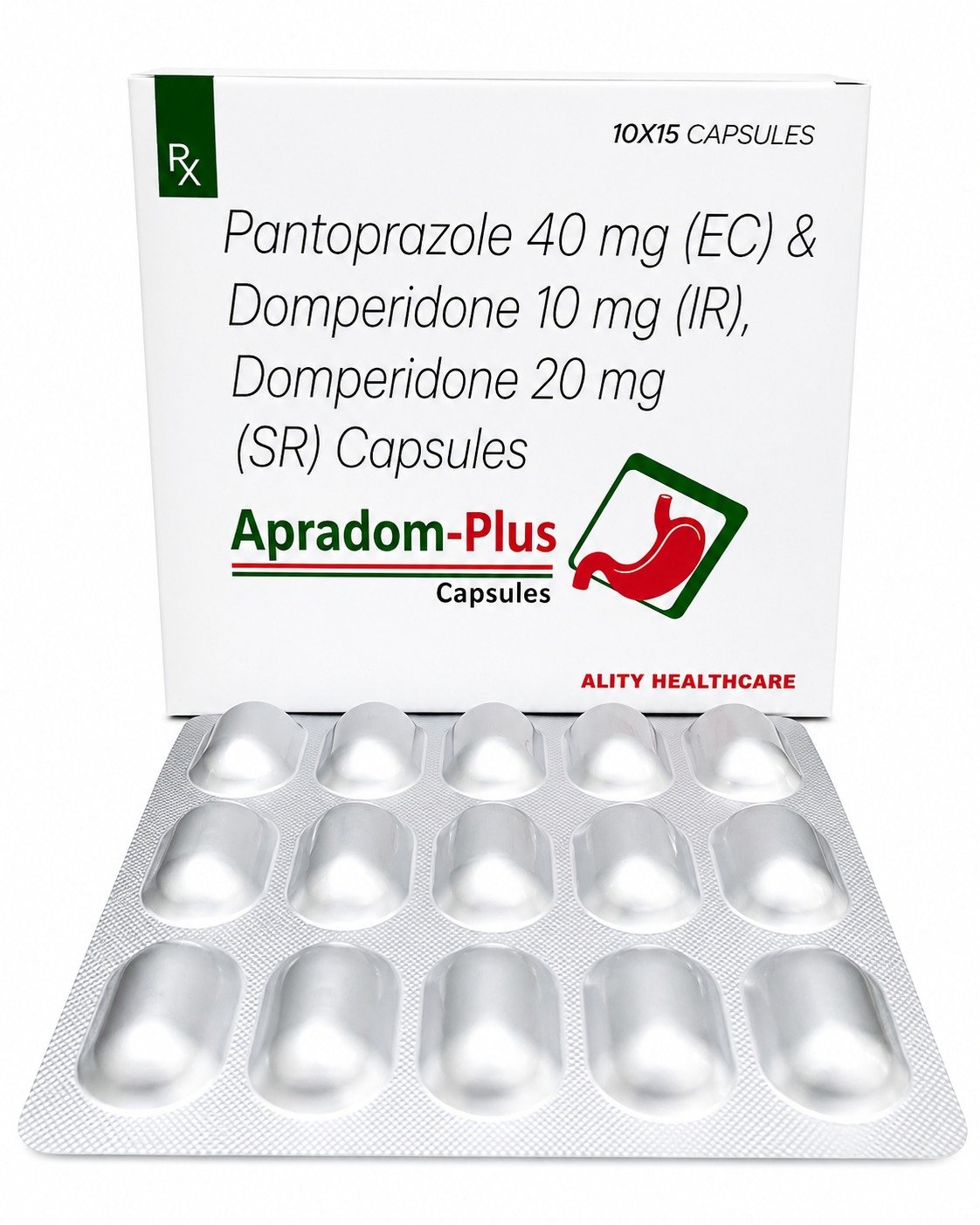
Tablet Vs
Capsule
A simple overview of some common differences between
the two dosage forms.
TABLET
Usually a compressed solid dosage form containing
active ingredients and excipients.
CAPSULE
A shell containing a pharmaceutical formulation,
which may be powder, granules or another suitable
form.
TABLET COATING
Some tablets are coated to support stability,
appearance, swallowing or taste masking.
CAPSULE SHELL
Capsules have an outer shell, commonly made from
gelatin or suitable plant-based materials.
DRUG RELEASE
Release characteristics depend on the specific
formulation rather than simply whether it is a
tablet or capsule.
STORAGE
Both forms require storage according to their
individual product labeling and recommended
conditions.
ALITY HEALTHCARE
PHARMA
Choosing The Right
Dosage Form
In pharmaceutical development, selecting a dosage form
involves consideration of the active ingredient,
stability, release characteristics, patient
requirements, manufacturing considerations and other
formulation factors.
Tablets and capsules can both be appropriate dosage
forms depending on the medicine and its intended use.
Pharmaceutical manufacturers and product developers
evaluate various factors when determining the most
suitable formulation.
For customers exploring pharmaceutical products,
understanding dosage forms can provide useful
background when comparing products and discussing
requirements with qualified healthcare professionals.
Active ingredient characteristics
Stability considerations
Drug release requirements
Patient convenience
Manufacturing considerations
Packaging requirements
Two Forms.
One Pharmaceutical Purpose.
Tablets and capsules are both widely used oral dosage
forms, but they differ in their physical structure,
formulation and characteristics. Tablets are generally
compressed solid forms, whereas capsules contain their
formulation within a shell.
Neither form can be considered universally better than
the other. The most appropriate dosage form depends on
the specific medicine, formulation, intended release
characteristics and professional recommendations.
Always follow the instructions provided with your
medicine and consult a qualified healthcare professional
if you have questions about the appropriate dosage form
or method of administration.
ALITY HEALTHCARE
Explore Our
Pharmaceutical Portfolio.
Discover pharmaceutical products from Ality Healthcare
across different dosage forms and therapeutic categories.